




Description
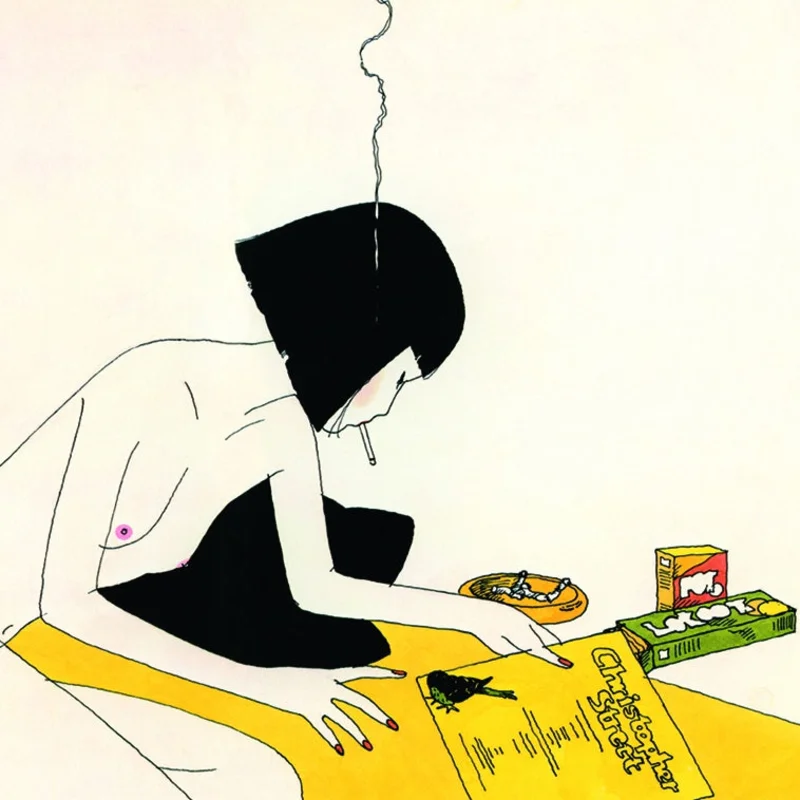
This is Lamp’s seventh album, so unique that it’s difficult to compare it to a specific genre or other artists. In particular, songs like “Sachiko,” “Symphony,” and “Autumn in A City,” which blend complexity and beauty, it is no exaggeration to say they have elevated pop music to the realm of art. This new album, Yume, is a beautiful culmination of his musical sincerity, creative drive, and imagination, and is permeated with a firm perspective and unwavering values. This approach could be described as “Lamp-style rock.” The cover art features a painting by Hayashi Seiichi, a painter and illustrator who represents youth culture in the 1970s and is known for his illustrations for Lotte’s “Koume-chan” and the manga “Red Elegy.” It adds color to Lamp’s delicate and lyrical world. (via Label)
Reissued on black vinyl, housed in A-style jacket
Includes a 4 page lyrics sheet
Yume (Dream) is one of Lamps later albums, an oddly tangential fact given that their writing style and knack for colourful melodies sits in the same ballpark as their work ten years previous. Maybe youll read a certain maturity into the way they carry a relaxed tone here, but thats the kind of take Id clemently term an informed choice. The only capital-D development is that the band tend away from their usual bossa nova inclinations and double down on integrating lounge jazz into their sound, equal parts sweet and savoury as per forever. If you want the full list, we could call it chamber-jazz prog pop or similar, but this is somewhat unfair considering its an effortlessly accessible sound and therefore warrants a combination of words that will potentially make people want to listen to it [*unplugs keyboard*].
Lets start that again: Yume has pretty much everything you could ask for in a blissed out jazz-pop mood record; depending on which season youre listening in, it feels like a slow sunset over a quiet town, or a comfortable room with moderately tasteful decor but exquisite mood lighting, and this is very quaint. It has enough depth to reward keen listeners, but caters first and foremost to the casual chilltimes demographic; it is a good album and it will improve your day in the same way that it will improve most anyones day. Make of that what you will.
The ~catch is that Yume is very unemphatic with its points of flair, to the effect that its elements of continuity come off as borderline homogenous. Theres a fair bit going on here, particularly in the harmony dept., but each song folds into the next so smoothly that youll hardly notice. A-Toshi no Akis skittery pop sweetness and the penultimate track Shizuka ni Asa was morose refrain, for instance, should sit as potential counterpoints at separate ends of the album, but even pacing and highly saturated arrangements gloss over these kinds of distinctions, rendering them almost suspiciously parallel occurrences on a uniform tracklist. Give this album a few cursive listens without straining your concentration (why would you), it will likely be an instant hit as romantic background music but maybe a little too close for comf- consequence to easy listening material.
Thats not to say there are no perks for those who seek them out: Lamp have a knack for anchoring their most resilient hooks in subtle rhythmic twists, as per the alternation between compound and equally weighted beats in the chorus vocal of closer Sachiko, similarly infectious delivery in that of Zanzou no Sketch, and the exquisite winding guitar jam that rounds off the late highlight Futari no Ita Fuukei. This kind of shrewd phrasing goes a long way to anchoring the rest of the tracklist, which is otherwise so saturated in 7th chords and saccharine melodic accents that it can be hard to see the wood for the trees. Let those sounds blur into the slightly overcooked gorgeous swirl that they are, and follow them grooves.
There are other positives – how nice. These include singer/multiinstrumentalist Kaori Sakakibaras vocals, which, despite not being Lamps traditional strong suit, carry the albums most wistful moments quite convincingly, and the subtle diversity of styles that adds refreshing levels of shading to a thoroughly saturated frame. Zanzou no Sketchs foray into full-on prog-pop is my favourite of these, but Shizuka ni Asa was baroque leanings (Candy Claws fans rejoice!) and Nagisa a la Modes city pop-esque funk clavs spark particular joy. Sora wa Grey sets out a vision for jangle pop in slow motion, and this is cute. The artwork is also very nice.
These are all good things and they improve the album because they are good, but its a fool’s errand to fish for individual points of strength or, dare I say, subtlety where you have an atmosphere as immediate and charming and unrelenting as the one in question here. It does much more good than harm in its transmutation of a fifty-minute runtime into an unbroken stretch of mellowtime, and it comes off as equally lovely whether you view it through the lens of generic mood music or that of sophisticated (post-)Shibuya-kei jazz-pop. Listen to it immediately and often, and absorb as much of that doey mellowness as you can. Never write about it. (via Sputnik Music)
Vinyl Tracklist
A1 Symphony
A2 Autumn in the City
A3 Where the Sigh Goes
A4 Room 6
A5 The Sky is Gray
B1 Beach A La Mode
B2 Sketch of an Afterimage
B3 The Scenery Where the Two of Us Were
B4 Quietly in the Morning
B5 Sachiko
Label: Polystar // Ultra-Vybe // Botanical House
Format: Vinyl, LP, Album, Reissue, Stereo
Reissued: 2025 / Originally Released: 2014
Genre: Pop
Style: J-pop, Shibuya-Kei, Japanese
File under: Japanese Pop
Reviews
There are no reviews yet.