


Description
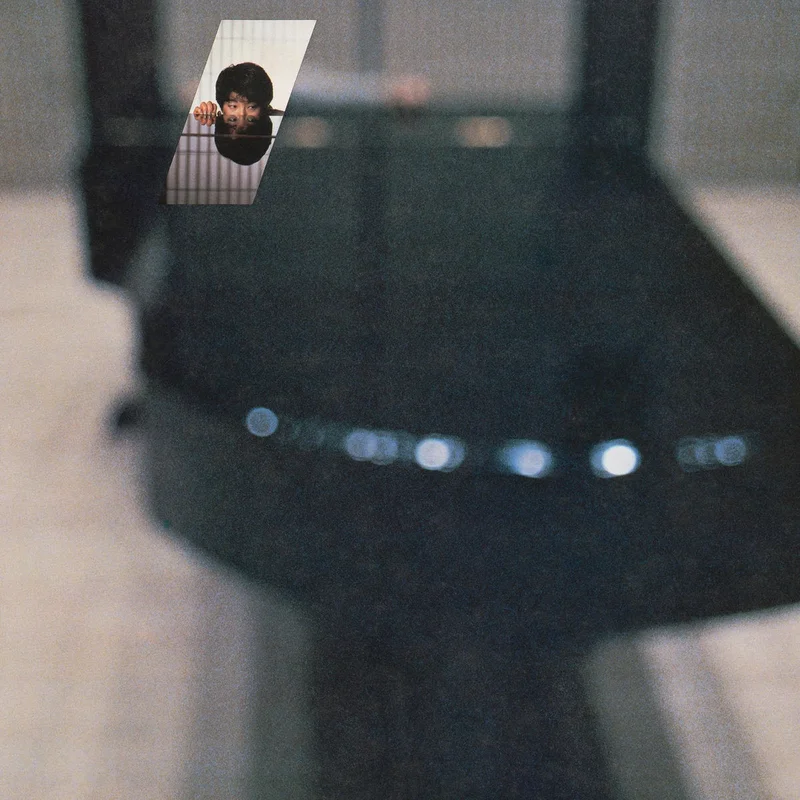
The third album from the Wave Notation environmental music series curated by Satoshi Ashikawa, following his very own Still Way and Hiroshi Yoshimura’s Music For Nine Postcards. Its quite possible that no one has loved anything more than avant-garde Japanese musicians adored French composer Erik Satie in the 1980s. Looking to escape from the intense pressures of the economic boom that had transformed the country at one time making it the largest creditor nation in the world Saties gauzy, diaphanous compositions, all of which seem to flow out from a central river of quiet, radiant emotion, provided a refuge and an alternate world. Combined with the immersive sonics of Brian Eno who was himself inspired by Satie soothing sounds could be created that would detoxify the harried urban zones and resanctify the degraded natural spaces of industrial-corporate Japan.
And perhaps no 80s Japanese musician loved Satie more than Satsuki Shibano. As a young college student, she was so taken with the composers work that she moved to Paris to study with pianist and writer Jean-Joel Barbier, Saties most indefatigable champion. After more than two years of apprenticeship, she moved back to Japan and began performing Saties work in her home country. So, when Sound Process label owner and Eastern ambient torch-bearer Satoshi Ashikawa approached Shibano about making an album for his crucialWave Notationseries (the first of which wasMusic for Nine Postcardsby Hiroshi Yoshimura, whose work has also recently been reissued to much acclaim), a collection of Saties solo piano works was a natural fit.
Though Shibano for the most part plays the pieces faithfully and respectfully, the album isnt so straight-ahead. Its name hints at a preoccupation with time this isnt justErik Satie, butErik Satie 1984,the date of the records release. The obi strip that accompanied the original Japanese pressing also gave the years of Saties birth and death. But the songs 26 tracks including well-trod selections from the Gnossiennes and Gymnopedies, and lesser-known works like the Preludes flasques (pour un chien) are not grouped by chronology. Instead, Shibano arranges them in alphabetical order, a counterintuitive yet charming move that the notoriously mischievous Satie doubtlessly would have found apropos. This tactic not only separates thematically grouped compositions like the Gnossiennes, it brings into contact songs written a lifetime, and a world, apart. Shibano mostly doesnt indulge in such permutations, instead playing everything with a stately grace and firm touch, the high amounts of reverb and use of glowing sustain being the only real indicator of this recordings specific time and place. via Spectrum Culture
Includes Japanese & English liner notes bySatsuki Shibano
Reissue supervised by Yoshio Ojima
Label:We Release Whatever The Fuck We Want Records
Series:Wave Notation 3
Format:2 x Vinyl, LP, 45 RPM, Album, Limited Edition, Reissue
Reissued: 2023 / Original Release: 1984
Genre:Electronic, Classical
Style:Contemporary, Minimal, Ambient
File under: Modern Classical
Reviews
There are no reviews yet.