



Description
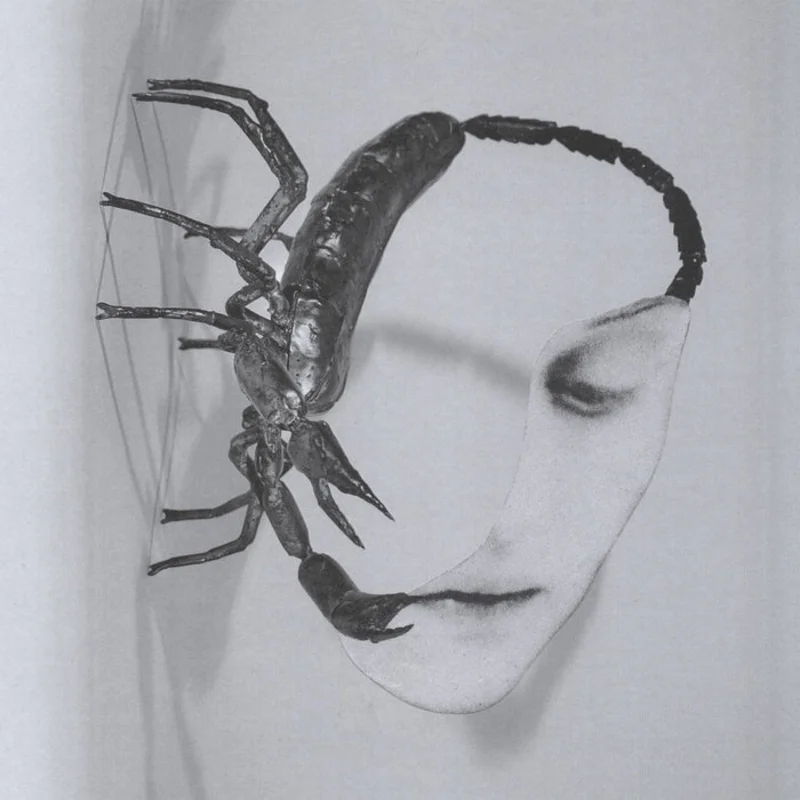
In the initial planning for the new record, the band arrived at what seemed like a reasonable geographic compromise: Theyd set up shop at studios in three different areas Los Angeles, Portland, and Chicago. They scheduled sessions with sometimes months in between, so that everyone could sit with the material and refine it further. The plan: To shift some of the wild idea-chasing of those development sessions from group work to individual work, building on Tortoises deep and iconoclastic lexicon of sounds and on the trust between musicians thats accrued over decades of music-making.
Its like, humans adapt, Herndon says flatly. In order to keep making music as a group, he explains, everyone needed to be flexible then and remain so now. If youre used to doing something one way, and then it flips, well, you have to adapt to another way of working. I think that that’s what we all were aspiring to do with this, endeavoring to kick in our adaptation skills.
Still, it wasnt smooth sailing. Im going to be honest, I think that we had some doubts after the first set of sessions, McEntire recalls. Noting that four years elapsed from the beginning of Touch to its completion, he adds that it took a long, long time for the music to coalesce. There was some what are we doing? questioning going on along the way.
Douglas McCombs, who plays guitar, bass, and the deep-voiced bass VI guitar that adds a noir luster to Night Gang and other Touch songs, believes that questioning would have happened regardless of the geographical challenges. In the best circumstance, theres a flow when were working on a tune. Everyones sparking ideas and inspired. Its not work. He adds, In the worst moments, when we just absolutely dont know what to do with something, its torturous.
Herdon points to the early versions of Vexations, which became the new albums opening track, as one such slow-torture situation. We were confounded as to figuring out an arrangement, and things were just stuck, he recalls. During one of the long lulls between the studio sessions, Herndon says, he got an idea for the tune. I asked John if I could have the stems [the individual track files] for the song, and then I kind of did a reworking in the garage. Re-did the drums completely and made a breakdown section in the middle. I sent it and was like, I don’t know if this is anything, but here. And those guys seemed really excited about it.
Herndon quickly adds that every Tortoise record has benefitted from similar experimentation. In fact, its the key thing, a defining characteristic: Sometimes doing an edit will leave a space open for something else, and were all into that idea of, What happens next? Its this attitude of Lets make some music together and see what happens. We’re all comfortable with the not knowing, with letting an idea go through many permutations.
Along with that is the knowledge that this open-ended exploring can be time-consuming. And might possibly end in futility. McCombs says that though the bands approach changed with Touch, the players still needed the mindset theyd used in those brainstorming rehearsals. When I get frustrated or when we seem like we’re stalling out a little bit, I just have to remember that patience is one of the things that makes this band work.
Asked to recall a moment that required patience, McCombs doesnt hesitate. It seems to happen a lot with the drummers, McCombs says. Somebody will be like, Hey John [McEntire] why dont you play this? And hell be like, I dont wanna play it cause I hear Herndon here. Its like McEntire hears Herdon and Herndon hears Bitney That happens a lot, and then theyll come to a consensus. Sometimes half the song will be one drummer and half the song will be another drummer. Thats kind of the way it works.
More about Tortoise:
It must be said: When things click into place, Tortoise is a rare force. Whether cranking out a foursquare rock backbeat or chopping time into polyrhythmic shards that defy counting (and logic), the band challenges accepted notions of what rock music can be, what moods it can evoke thats part of the reason the band is revered so widely, among musicians working in many genres.
Tortoises indescribable sonic arrays have grown more intense and more influential over time. Early works the 1993 debut and the 1996 Millions Now Living Will Never Die, which opens with a twenty-one-minute suite contrast the thick harmonic schemes of Krautrock with the similarly impenetrable densities of musique concrete, adding jarring spears of electric guitar as spice accents. The commercial breakthroughs that followed, TNT (1998) and Standards (2001) found Tortoise further expanding its toolkit: Rather than orient each piece around declarative single-line melodies, the musicians let the vast, lush, inviting scenes become a hypnotic wordless narrative, built from overlapping layers and interlocking rhythms.
Each step in the discography underscores a truth about Tortoise: The questions about arrangement and orchestration are foundational, defining the scope of the canvas and the density of the bands exactingly precise soundscapes. There can, as McCombs notes, be multiple drummers on a track, and their beats can be supported by acoustic percussion or random electronic blippage. Likewise, on any given track, there can be multiple mallet parts, sometimes sustaining gorgeous washes of color, at other times pounding out intricate Steve Reich-style interlocked grids of harmony. There can be multiple guitars, each with its own earthshaking effects profile. (Parker laughs when he says Im kind of like the straight man with the guitar sounds.) There can be multiple synthesizers darting squiggles of lead lines crashing into asymmetrical arpeggios, or bliss-toned drones hovering in the upper-middle register like a cloud in a landscape painting.
And there can be noise, all kinds of it: While the working method of Touch meant Tortoise sacrificed some spontaneous sparks, it encouraged the musicians to explore the thickening textural possibilities of different flavors of noise (white, pink, etc). The band recently issued a set of remixes for the single Oganesson. The more austere, stripped-down interpretations offer telling insights about the deployment of noise as well as the track-by-track assembly process, the ways Tortoise uses open space, textural layers, and dissonances to create drama.
McEntire believes those little devices are essential to the sound. Because we don’t have a singer, we have to have a different vocabulary for creating interest. So we use all the little things, like dynamics, texture, orchestration.
Given the intricacy of the music, McEntire explains, every little sound starts as a decision in the recording studio, and then, subsequently, becomes a logistical decision for live performance after all, the many parts have to be executed by the five players. (via Label)
Label: International Anthem Recording Company
Format: Vinyl, LP, Album
Released: 2025
Genre: Rock, Electronic
Style: Alternative Rock, Post-Rock, Abstract
File under: Rock // Shoegaze / Post-Rock
Reviews
There are no reviews yet.